

 Image 1 of 1
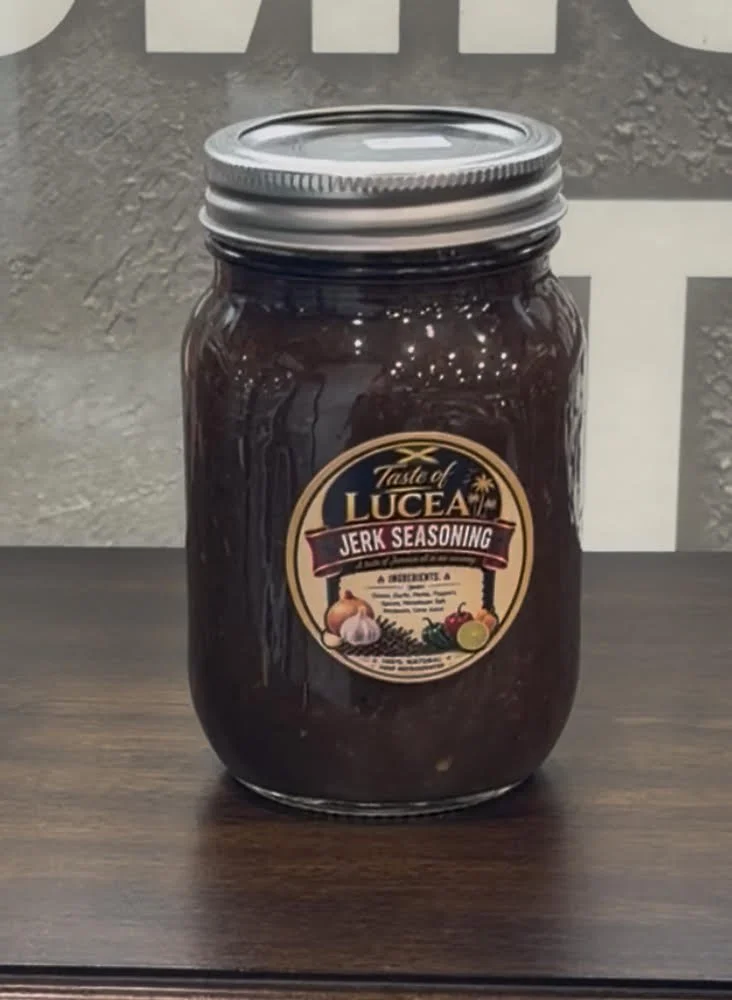
Jerk Seasoning
Authentic Jamaican Jerk — Bold Heat for All Meats
A vibrant, aromatic blend inspired by traditional Jamaican jerk seasoning. This mix delivers smoky, spicy, and slightly sweet layers: toasted allspice and thyme form a warm herbal backbone, Scotch bonnet heat adds tropical fire, and notes of garlic, ginger, cinnamon, and brown sugar round out the profile. Coarse pepper and cracked spices give texture and visual appeal, while a touch of citrusy acidity brightens the overall flavor. The result is a bold, well-balanced seasoning that sears into proteins and stands up to long marinades and high-heat cooking.
Uses and Applications
Classic Jerk Chicken: Rub under the skin and over the breast, then marinate 2–12 hours. Grill or roast until charred at the edges for that authentic smoky crust.
Pork Shoulder or Ribs: Apply generously as a dry rub, let rest overnight, then slow-smoke or braise for fall-off-the-bone tenderness with pronounced jerk flavor.
Beef (Steaks, Flank, Skirt): Use as a firm rub before searing or for skirt/flank steaks marinated briefly to infuse heat without overpowering the beef’s richness.
Seafood (Shrimp, Mahi-Mahi, Salmon): Lightly coat and sear or grill; jerk seasoning pairs especially well with the sweet, firm texture of shrimp and fish.
Lamb: Rub into chops or a leg of lamb for a lively, aromatic contrast to the meat’s gaminess.
Ground Meats: Mix into ground beef, pork, or turkey for bolder burgers, meatloaf, or meatballs—serve with cooling toppings like pineapple salsa or yogurt slaw.
Plant-Based Proteins: Season tofu, tempeh, seitan, or portobello mushrooms before grilling or roasting for a spicy, smoky vegetarian alternative.
Marinades and Sauces: Combine with oil, lime juice, soy or coconut aminos, and a touch of honey to make a balanced marinade or glaze. Add to barbecue sauces or incorporate into stews for Caribbean flair.
Marinade for Vegetables: Toss carrots, sweet potatoes, cauliflower, or yams with the seasoning and olive oil, then roast for a spicy-sweet side.
Fried Rice and Bowls: Stir into rice bowls, grain salads, or fried rice for an instant flavor upgrade—pair with beans, mango, avocado, and pickled onions.
Dressings and Dips: Whisk into mayonnaise, sour cream, or yogurt to make a jerk-spiced aioli, dip, or dressing for sandwiches and fries.
Finishing Sprinkle: Use sparingly as a finishing spice to add crunch and heat to grilled meats, tacos, or even popcorn.
Cooking Tips
Balance the heat: Start with a lighter application for milder palates and increase for more heat. Remember Scotch bonnet pepper is very hot; a little goes far.
Build flavor with layers: Use as both a dry rub and in a wet marinade for deeper penetration and a more complex crust.
Caramelize for complexity: Add a touch of brown sugar or honey when searing or grilling to encourage caramelization and contrast the spice.
Rest after cooking: Let meats rest after high-heat cooking to redistribute juices and let the seasoning meld.
Pairings: Bright, acidic sides (lime, mango, pickles), creamy elements (coconut rice, yogurt slaw), and cooling beverages (citrus beers, ginger beer) complement the bold heat.
Packaging and Storage Store in a cool, dry place in an airtight container to preserve volatile aromatics. Use within 6–12 months for peak flavor. Shake before use if the blend settles.
Why it works This authentic jerk blend balances intense heat with warmth from allspice and aromatics, making it versatile across meats and preparations. It’s robust enough for long cooks and smoking, yet adaptable as a quick rub or finishing spice—bringing Caribbean character to any protein or vegetable.